Floral Ornament Vintage Divider Text SVG Review
I have spent years turning digital files into tangible, stitched memories for clients and my own shop. When a new asset lands on my desk, I don't just look at the preview image; I immediately start visualizing the thread tension, the fabric texture, and how the final product will feel in a customer's hands. Today, I am putting Floral Ornament Vintage Divider Text SVG through that same rigorous mental test. This isn't just another pretty graphic; it is a functional design element with a specific mood and a set of practical challenges that every embroiderer needs to understand before committing it to their machine.
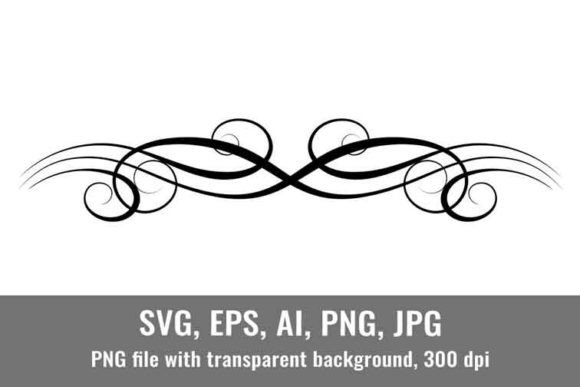
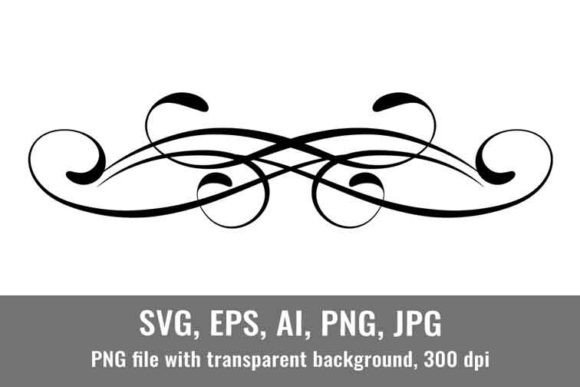
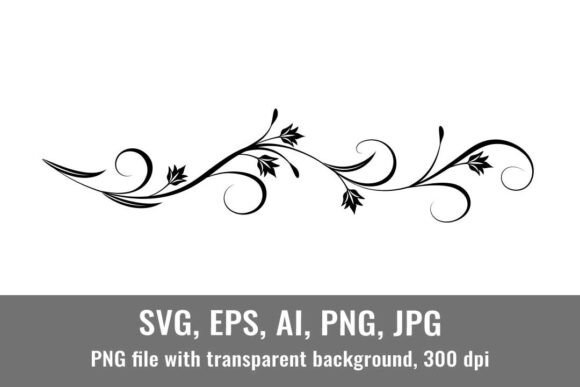
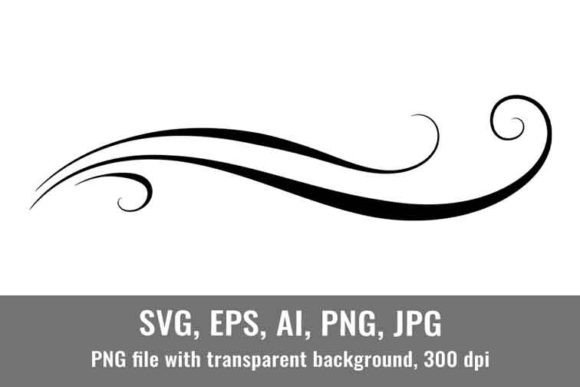
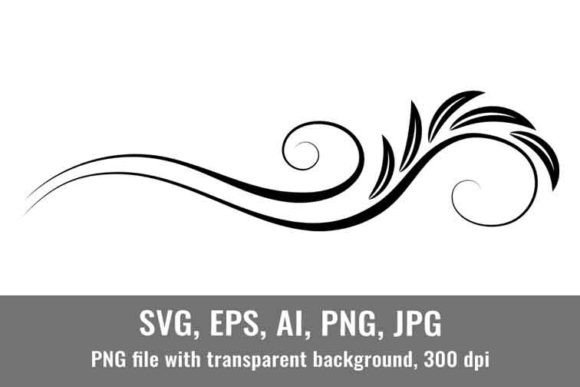
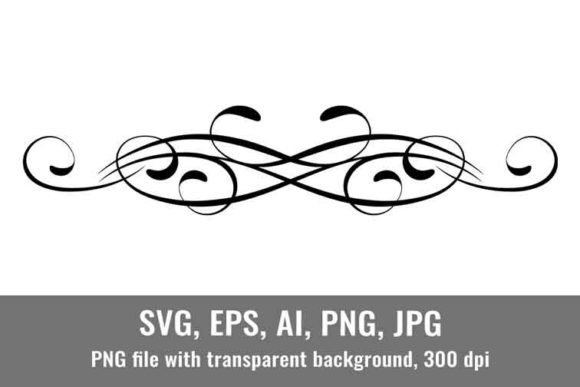
The first impression of this piece is undeniably nostalgic. It carries a retro vintage style that feels warm and inviting, rather than cold or overly modern. The floral ornament structure suggests elegance, while the divider text concept implies utility. In the world of Decorative Elements, few things are as versatile as a well-placed border or separator, but in embroidery, versatility often comes with a price: complexity. My initial assessment is that this design belongs best in projects where a touch of sophistication is required without overwhelming the wearer or the viewer. It screams "boutique quality," making it an ideal candidate for high-end handmade products.
Let me walk you through a real scenario where I see this design shining. Imagine you are preparing a custom embroidered tote bag for a local artisan market. You want something that elevates the bag from a simple canvas sack to a statement piece. Placing the Floral Ornament Vintage Divider Text SVG across the top third of the bag creates an immediate frame for your shop name or a welcoming message. The floral details add weight to the top edge, balancing the empty space below. However, if you were to try stitching this on a stretchy jersey sweatshirt, the results might be different. The dense nature of the floral ornament could cause puckering if the stabilizer choice isn't perfect. For a tote bag made of heavy cotton duck or denim, the stability is there to support the design, allowing the satin stitch edges to lay flat and crisp.
When we talk about embroidery file performance, detail level is the make-or-break factor. This design relies heavily on the clarity of its lines. If you attempt to scale this down for a baby onesie or a tiny cap patch, you risk losing the intricate curves of the flowers. Small hoop sizes are not always forgiving when dealing with complex ornaments. I recommend testing the design on scrap fabric first to ensure that the fine details do not merge together under the needle. A running stitch used for delicate outlines can easily get lost if the thread count is too low or the fabric weave is too open. Conversely, on a sturdy kitchen towel or a linen pillow cover, those same details would pop beautifully, creating a focal point that feels intentional and professional.
One of the most critical aspects of using this asset is understanding where it should be used carefully. Dark fabrics present a significant challenge for any light-colored vintage design. Unless you plan to use a heavy underlay or a contrasting background applique, the floral ornament might struggle to stand out against navy or black material. Similarly, textured fabrics like bouclé or heavy wool can swallow up the finer elements of the divider. If you are aiming for a clean, sharp finish, stick to smooth weaves like poplin, twill, or tightly woven cottons. This ensures that the stitch density remains consistent and the visual appeal is not compromised by the fabric's natural irregularities.
For the creative entrepreneur or Etsy seller, the value of a design like Floral Ornament Vintage Divider Text SVG lies in its ability to increase perceived product value. Customers pay for aesthetics and professionalism. A well-executed divider on a wedding invitation mockup or a boutique apron signals attention to detail. It transforms a standard item into a personalized gift. When showcasing these items in printable mockups or listing them online, the vintage charm of the design helps tell a story. It suggests heritage, care, and timelessness. However, this only works if the actual embroidery matches the digital promise. If the threads are frayed or the alignment is off, the entire brand perception suffers.
There are specific scenarios where caution is advised. Layered garments, such as a vest over a shirt, can create uneven surfaces that distort curved designs. Curved surfaces like caps require careful digitization adjustments to account for the dome shape; a flat preview does not guarantee a flat result on a curved brim. Furthermore, products that need frequent washing, like dishcloths or children's clothing, must be evaluated for durability. Dense stitch areas can trap moisture or lint if not properly secured, leading to premature wear. Always inspect small details closely after the first wash cycle to ensure the design holds up to real-world use.
As a designer, I also consider the licensing and usage rights before recommending a file for commercial projects. While the visual potential is clear, you must confirm whether the license allows you to sell finished items created with the Digital Embroidery File. Some assets are restricted to personal use only, which limits their utility for a small business owner looking to expand their inventory. Assuming the license permits commercial application, this design offers excellent opportunities for custom apparel and holiday embroidery collections.
To get the most out of this asset, here are some practical notes from my workflow. First, review the thread colors available in the palette. Vintage styles often rely on muted tones like sage, dusty rose, or cream. Using bright, neon threads can clash with the intended mood. Second, check the hoop size requirements. If the design is large, ensure your machine can accommodate it or plan for multi-hooping strategies. Third, compare light and dark fabric backgrounds during your testing phase to verify contrast levels. Finally, always use proper stabilizer suited to the fabric weight. A tear-away might work for a lightweight shirt, but a cut-away is essential for heavier items like aprons or bags.
In conclusion, Floral Ornament Vintage Divider Text SVG is a powerful tool for anyone looking to elevate their handmade product line. It bridges the gap between digital convenience and traditional craft beauty. Whether you are designing a tote bag design for a summer festival or adding a decorative touch to a personalized gift for a wedding, this design offers a reliable foundation. Just remember that success in embroidery depends as much on technique and material selection as it does on the design itself. Test thoroughly, respect the fabric, and let the vintage charm of the ornament shine through in your finished product.