Environmental Remidiation Horizontal Ban Review
As a designer who has spent years navigating the intersection of digital graphics and physical stitching, I approach every new asset with a mix of excitement and skepticism. When I first encountered Environmental Remidiation Horizontal Ban, my initial thought wasn't about its file size or stitch count, but rather how it would translate from a screen to a piece of fabric. This design falls under the category of Social Media Templates and is classified as Graphics, which immediately raises a critical question for any embroidery enthusiast: can a web banner effectively become a tangible product?
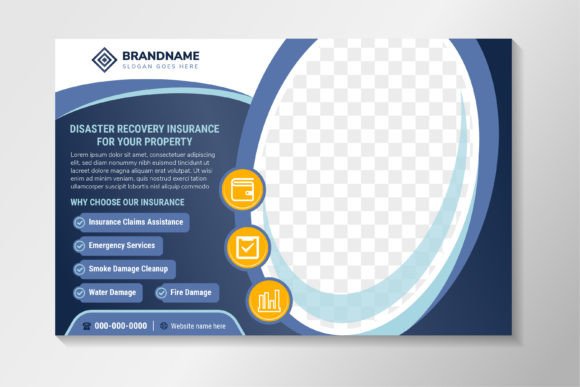
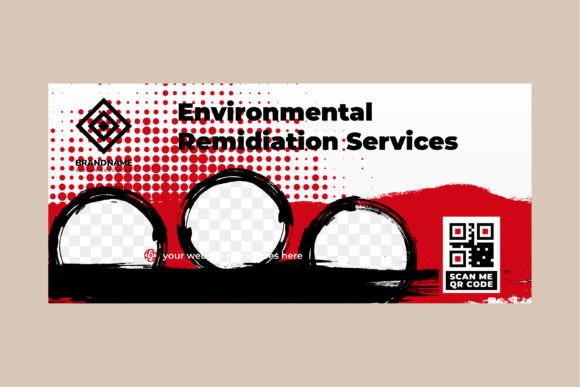
The answer lies in the details. The description highlights a horizontal layout featuring brush strokes in red and black. In the world of machine embroidery, color contrast is everything, and the combination of bold red against deep black offers a striking visual potential that could elevate a standard merchandise item into something memorable.
First Impressions: A Bold Statement on Fabric
The moment you look at the Environmental Remidiation Horizontal Ban preview, the mood is unmistakably industrial yet artistic. The use of brush-style elements suggests movement and urgency, which fits the theme of environmental work perfectly. However, when translating this to an embroidery project, we have to consider the texture. Brush strokes often rely on subtle gradients that machines cannot replicate directly. Instead, they must be interpreted through varying densities of fill stitches or clever thread breaks.
I imagine this design not just as a logo, but as a statement piece. It feels like it belongs on heavy-duty apparel or durable goods where it can withstand wear and tear. The horizontal orientation is particularly versatile, allowing it to stretch across the chest of a sweatshirt or span the width of a tote bag without looking cramped. It creates a sense of professionalism and grit that is often missing in softer, more decorative designs.
Real-World Application: From Screen to Stitch
Let's walk through a realistic scenario. Imagine you are preparing for a local craft fair or launching a new line of eco-friendly merchandise for your Etsy shop. You need a custom embroidered patch or a branded apron for a workshop on sustainable living. You pull up the Environmental Remidiation Horizontal Ban template. How does it hold up?
On a sturdy canvas tote bag, the red and black brush elements would pop beautifully. The horizontal layout allows the design to sit comfortably across the front, acting as a header for the bag. The red acts as an accent that draws the eye, while the black grounds the design, ensuring it doesn't look too chaotic. For a small business owner, this translates to high perceived value; customers see a cohesive brand identity rather than a generic clip-art image.
I also envision this design on a heavy cotton sweatshirt for a team building event focused on cleanup crews or conservation efforts. The robust nature of the design matches the durability required for such garments. Unlike delicate floral patterns that might get lost in the weave of a thick fleece, this graphic commands attention. It works equally well as a digital asset for creating printable mockups to sell online before the physical items are even manufactured.
Navigating Technical Challenges
While the aesthetic appeal is strong, an experienced reviewer must address the practical hurdles. The Environmental Remidiation Horizontal Ban features brush strokes, which can be tricky if they contain fine, intricate lines. On textured fabrics like terry cloth or loose-weave linen, these details might blur or disappear entirely. Similarly, on thin fabrics, the density of the fill stitches required to create the solid brush effect could cause puckering if the stabilizer isn't chosen correctly.
There are specific scenarios where caution is needed. If you plan to embroider this on a curved surface like a baseball cap, the horizontal layout might distort unless the digitizing accounts for the curve. Small lettering, if present within the design, should be scrutinized closely; anything smaller than 0.3 inches in height risks becoming illegible after stitching. Furthermore, dark fabrics require careful consideration of thread colors. While the black elements will blend seamlessly, the red needs to be vibrant enough to stand out against a dark background, potentially requiring a white underlay or a specific shade of bright red thread.
For products that undergo frequent washing, such as kitchen towels or baby clothes, the density of the design matters. A design that is too dense can feel stiff and uncomfortable, while one that is too sparse may fray over time. The stitch density of this specific graphic must be balanced to ensure the finished product remains soft to the touch while maintaining its structural integrity.
Design Notes for the Professional Maker
If you are integrating Environmental Remidiation Horizontal Ban into your commercial inventory or personal gifts, there are essential steps to take before hitting the start button on your machine. First and foremost, always test the design on scrap fabric that mimics your final product. This is non-negotiable for avoiding costly mistakes on client orders.
Check the thread colors against your actual spools. Digital previews can be misleading regarding saturation. Ensure the red provides enough contrast against the black and the fabric base. Inspect the small details of the brush strokes; if they appear jagged or disconnected in the preview, they may not stitch cleanly. Using the proper stabilizer is crucial here—likely a cut-away stabilizer for heavier garments to prevent distortion during the stitching process.
Consider the end-use context. Is this for a commercial embroidery job where consistency is key? Or is it a personalized gift where slight variations add charm? For Etsy sellers and small shop products, clarity is vital. Customers need to trust that the physical item matches the digital representation. A clean, well-executed stitch pattern builds that trust instantly.
Before selling finished items or using this as a digital embroidery file for resale, confirm the licensing terms. Many graphics intended for social media templates come with restrictions on commercial use. Verify whether you can use the Environmental Remidiation Horizontal Ban on items you intend to sell, such as custom apparel or embroidered patches.
Final Verdict on Visual Impact
The Environmental Remidiation Horizontal Ban brings a unique energy to the table. It moves away from the typical corporate logo look and embraces a more artistic, hand-drawn feel that resonates well with modern handmade aesthetics. When executed correctly, it transforms a simple piece of fabric into a conversation starter.
It is an excellent choice for holiday embroidery projects focused on sustainability, wedding gifts for eco-conscious couples, or branding for boutique shops. The horizontal layout ensures it fits seamlessly into various product categories, from tote bag designs to sweatshirt embroidery. By paying attention to fabric texture, hoop size, and thread selection, you can unlock the full potential of this design. It is a tool that, when used with care, bridges the gap between digital creativity and tactile craftsmanship, resulting in a finished product that feels both professional and deeply personal.